My Recovery Story
My name is Ryan, and I’m a grateful believer in Jesus Christ. I’m recovered from alcohol and sexual addiction, but I’m still recovering from pride, selfishness, temptation and self-doubt.
I grew up in Seminole, Florida, with my parents and older sister. In many respects, I had a good childhood. My parents provided for us, and I had opportunities that I remain grateful for.
But there were things I experienced that I didn’t know how to process.
When I was young, both of my grandfathers died within a relatively short period. I wasn’t allowed to attend either funeral. I remember feeling excluded, as though I didn’t belong.
Then, around eighth grade, I was being nosey looking through my father’s desk and discovered adoption paperwork for my sister and me.
Until then, I hadn’t known we were adopted. This time I felt even more as though I didn’t belong.
My parents acknowledged it when I asked about being adopted, they explained that my older sister had picked me out at the orphanage or wherever I was when I was up for adoption. But aside from that, I remember hearing we are your parents and we love you, but I don’t recall much more of a conversation ever taking place about it.
My identity was shattered, and I didn’t know what was true anymore.
I carried questions I didn’t know how to ask. Why hadn’t my biological parents kept me? Was there something wrong with me? Why had someone else needed to choose me?
I didn’t recognize it at the time, but I began building much of my life around the desire to feel accepted.
As I grew older, I looked for acceptance and satisfaction in destructive places.
I discovered pornography at a young age. Lust and sexual fantasy became part of my private life. I experimented with tobacco, alcohol, and marijuana. I got into fights, was expelled from a private Christian school within about 6 months of being enrolled there, back in public school I started drinking before school, skipped school and eventually dropped out, was arrested for using a fake ID to buy cigarettes, and then ended up in a vocational dropout prevention program.
At the same time, I was involved in church. I attended middle and high school youth activities, mission trips, media production, and cooking meals on Wednesdays and Sundays.
I knew how to participate in church activities. I knew how to be around Christians.
But knowing about God wasn’t the same as surrendering my life to Him.
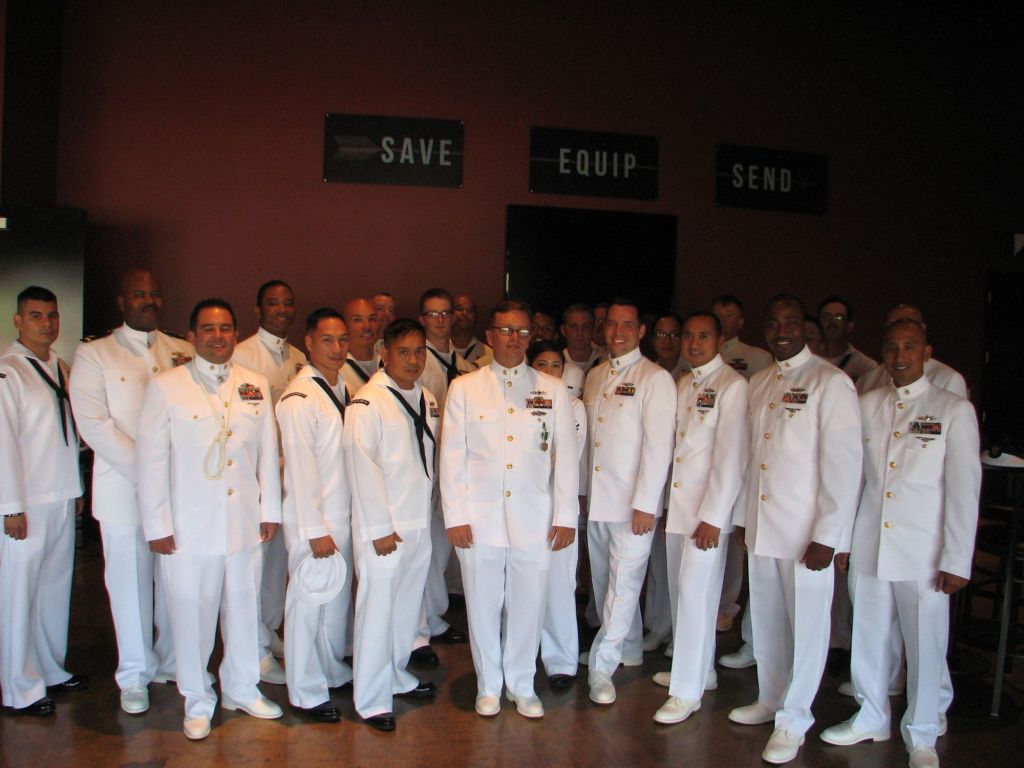
At eighteen, I joined the Navy. I wanted a new beginning, to get away, and the opportunity to prove myself.
But changing my surroundings didn’t change what I carried inside.
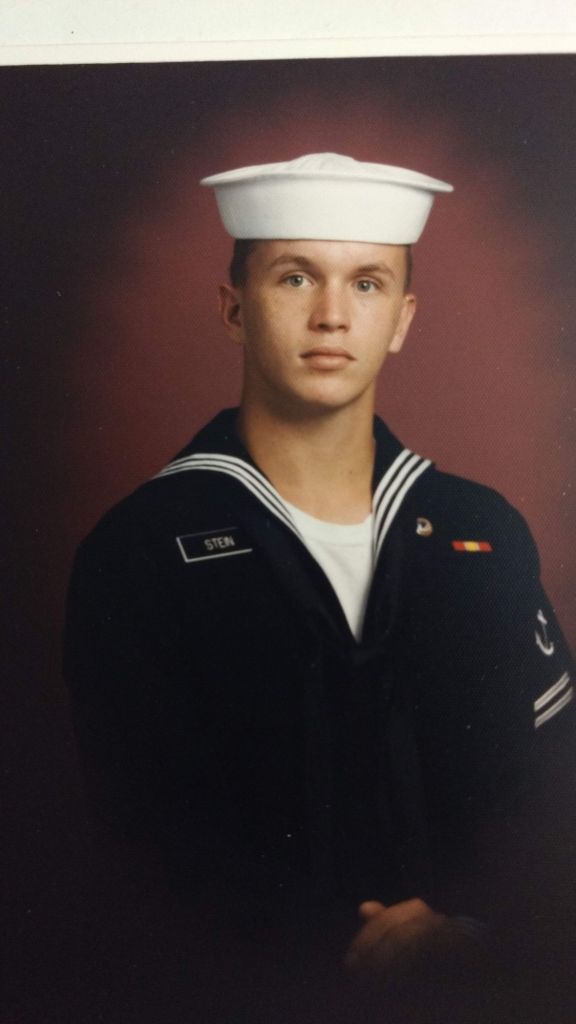
Early in my Navy career, drinking and sexual behavior became increasingly destructive.
I committed adultery. During deployments, I even paid to be with prostitutes in foreign ports.
I betrayed women who trusted me.
My choices contributed to the destruction of two marriages and nearly destroyed my marriage to Amy.
My childhood wounds may help explain some of the things I was searching for, but they don’t excuse what I did.
I chose lust. I chose dishonesty. I chose to put my selfish desires ahead of the people I had promised to love.
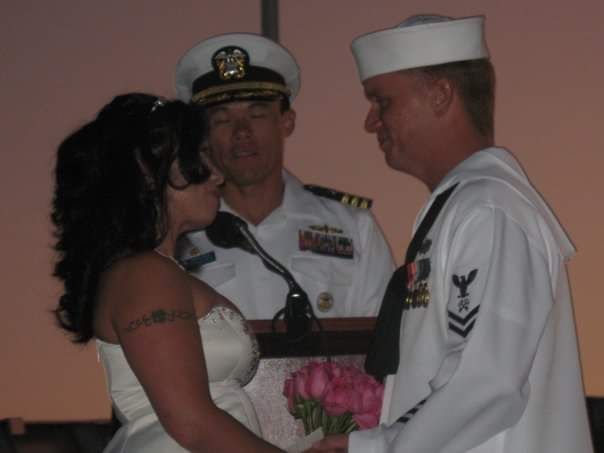
Amy and I married August 16th 2008 at sunset onboard the Navy Frigate I was assigned to, my Commanding Officer married us using Navy Vows. I brought 4 children into the marriage, and she brought 3.
Early 2009, I was deployed to Central & South America on a counter-narcotics deployment. June 10th was a day I hadn’t planned anything, but what started off as a night at the bar with some of the guys ended up with some of us taking prostitutes back to our hotel room late that night.
September 7th, our family experienced a devastating crisis. Some of those circumstances involve other people, and those details aren’t my testimony to tell.
I can’t say exactly when, but sometime before I departed to fly home was the last drop of alcohol I ever drank. I use September 7th as my sobriety date, because it is one of the dates that I remember well. I believe God started working on me before bringing me back home.
When I stopped drinking, I began seeing parts of my life more clearly. But sobriety didn’t remove my sexual struggles.
By 2011, I had been sober from alcohol going on two years, but I was still struggling intensely with lust and my thought-life.
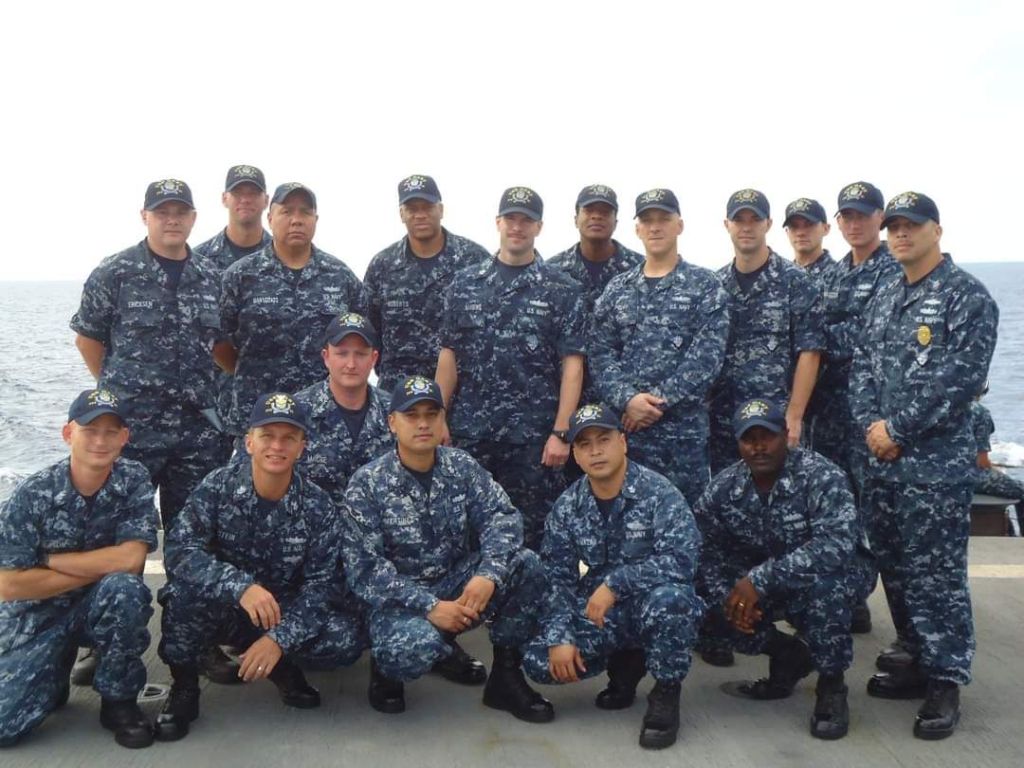
I deployed again in 2011 on the same type of mission, and I began recognizing just how serious that struggle had become.
I was dwelling even more on the fact that I had committed adultery during a previous deployment, and now I was still struggling to stop looking at women lustfully.
I asked other men on the ship to help me. Most of them laughed at the idea.
The harder I tried to control my thoughts through willpower alone, the harder the struggle seemed to become and the more frequently the thoughts came to mind.
I was beginning to understand that I couldn’t overcome years of destructive thinking simply by trying harder.
At Rock Church in San Diego where we had been attending church since we were married, there was a large and thriving men’s ministry that met weekly with several discipleship and focus ministries under it. One was For Men Only, or FMO, which specifically addressed sexual addiction and recovery.
Through that ministry, I began working through a Pure Desire study called Breakthrough & Break Free, which was later updated and renamed to Seven Pillars of Freedom. These were clinically informed 9-to-10-month curriculums involving deep healing, biblical framework building, and recovery from sexual addiction.
The church’s women’s ministry also included For Women Only, or FWO, which offered Betrayal & Beyond for women dealing with the trauma associated with sexual betrayal.
I told Amy I’d be going to FMO and gave her the information about FWO to see if she’d be interested in going. Amy and I both began attending our respective recovery groups.
I recently looked back through my old Breakthrough & Break Free workbook and discovered two important dates.
On September 19, 2011, I signed a commitment to the recovery process.
On October 11, Amy and I signed a covenant together.
But I was still withholding the truth. Amy only was aware that I was struggling with pornography and lust.
As Amy learned more through Betrayal & Beyond, she began asking me whether I had been unfaithful.
She asked me more than once.
And I denied it.
I was participating in recovery, studying Scripture, and making commitments to change, but I was still choosing dishonesty to protect myself.
Eventually, during a drive to Las Vegas to either pick up or drop off my two youngest to or from their mother’s house, I disclosed my infidelity.
Amy deserved an honest answer the first time she asked. Instead, I repeatedly lied, adding another layer to the betrayal.
When I finally disclosed my infidelity, I did so without a sponsor to guide me, also sharing painful details without fully considering how they would affect her.
That experience taught me why sponsorship matters.
An accountability partner helps us remain answerable for our behavior. A sponsor can also challenge our rationalizations, thinking, and selfish decisions. The two are not the same.
Sexual betrayal disclosure needs to be honest and responsible, ideally with guidance from a qualified professional experienced in betrayal trauma.
I also made the mistake of placing Amy in the role of monitoring my recovery through Covenant Eyes, which is an app that logs everywhere a person visits on the internet through monitored devices.
I had betrayed Amy and then made her responsible for watching whether I would do it again.
She needed support for her own healing, not the burden of policing my behavior.
Our marriage didn’t heal overnight.
We experienced two periods of separation. During one, we lived in the same house but slept in separate bedrooms. During another, Amy stayed with her sister in West Virginia while I remained in San Diego.
I couldn’t repair the damage simply by apologizing. I couldn’t decide how quickly Amy should heal or trust me again. So many things done wrong in my disclosure and in my own recovery prolonged healing for Amy and severely damaged the ability for her to have any close female friends for many years.
I had to learn that repentance involves much more than admitting what I’ve done.
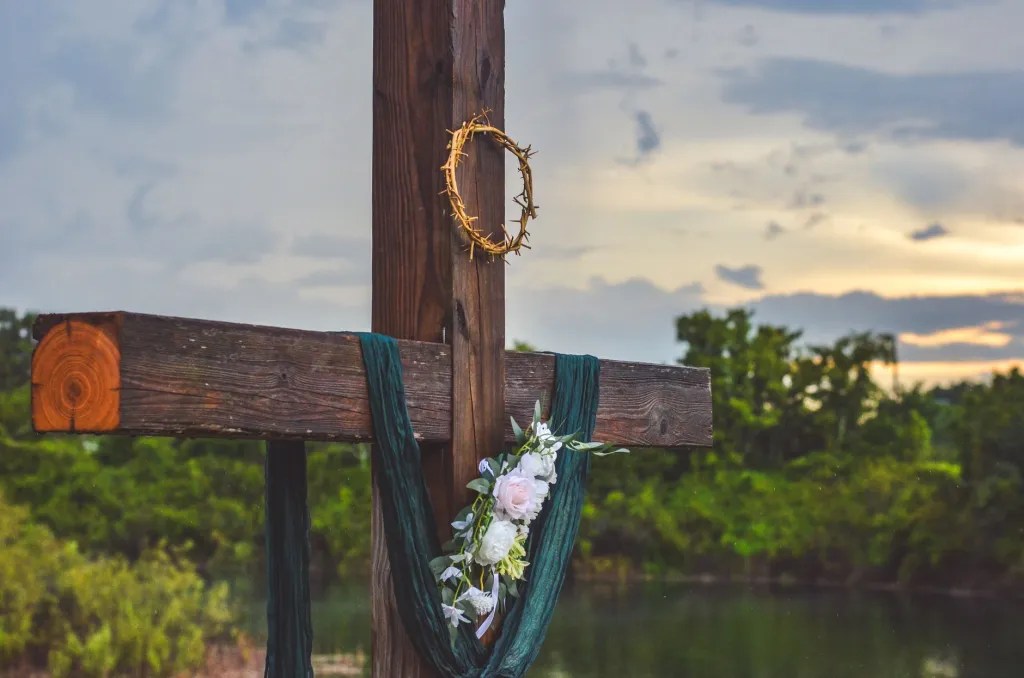
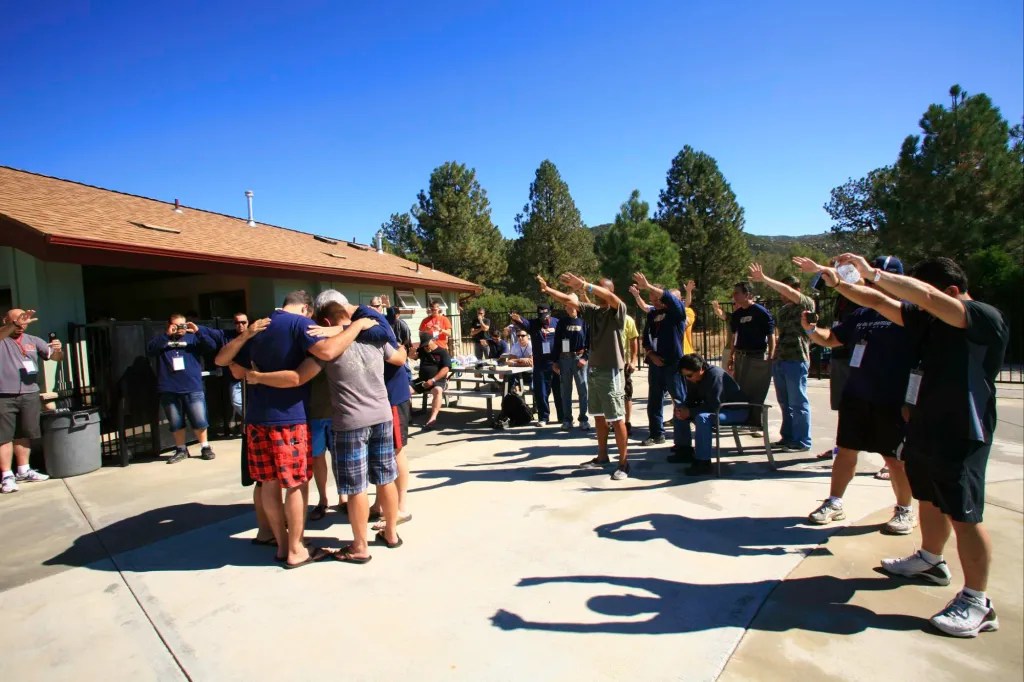
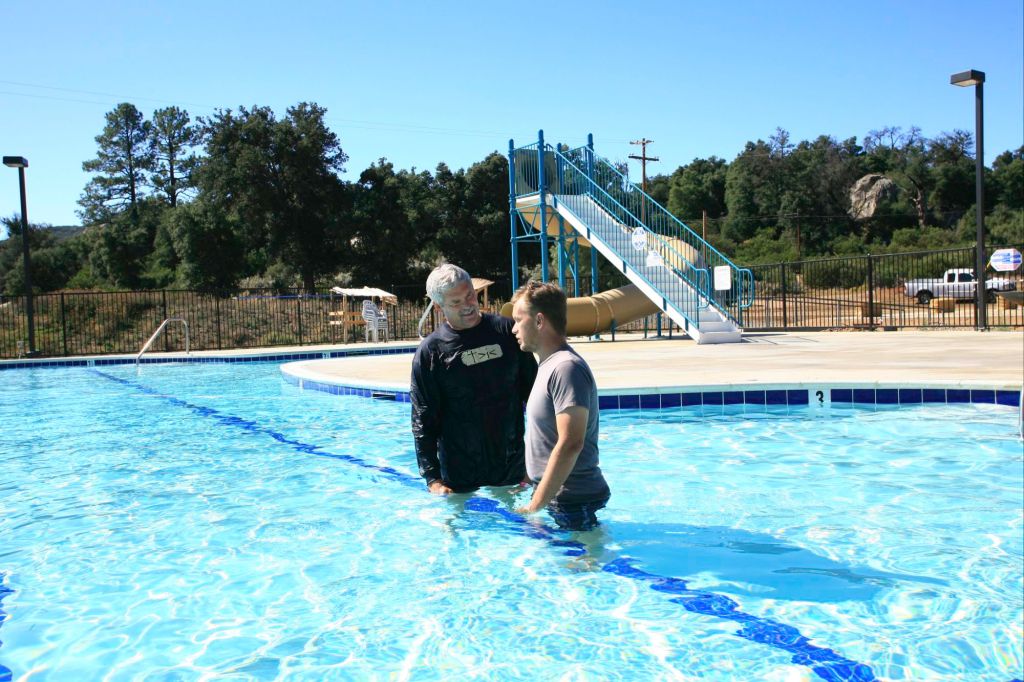
In October 2011, I attended a men’s retreat at Pine Valley Conference Center near San Diego.
The theme was based on John 3:30: “He must become greater; I must become less.”
More of Him. Less of me.
I remember receiving an envelope, and inside was the invitation: “Come to me, all of you who are weary and carry heavy burdens, and I will give you rest.” (Matt. 11:28) That weekend, I surrendered and rededicated my life to Christ and the next morning on October 22, 2011, I was baptized.
It was a significant turning point, but it wasn’t the end of my recovery.
I still had years of distorted thinking to confront. I still struggled with pride, lust, and my desire for acceptance.
As I continued through recovery, several passages of Scripture became especially important to me.
Romans 12:2 speaks about being transformed by the renewing of our minds.
Pornography and sexual addiction had shaped the way I thought about sex and intimacy. I couldn’t simply stop the behavior and assume those patterns would disappear.
I had to intentionally rethink how I approached intimacy with my wife.
Intimacy is not just something sexual, and it wasn’t supposed to be centered on satisfying my selfish desires. I needed to learn to approach it with love, respect, and concern for Amy as a person.
Philippians 4:8 became a practical part of that process.
I learned that an unwanted, inappropriate thought entering my mind wasn’t the same as deliberately entertaining it.
The question was what would I choose to do with that thought next?
Would I dwell on that thought, feed it, and allow it to grow? Or would I recognize it and redirect my attention toward what was true, honorable, right, pure, lovely, admirable and worthy of praise?
That became an intentional practice in my recovery… Daily!
I couldn’t always control what first entered my mind, but I could take responsibility for what I chose to do next.
In an old journal, I reflected on how renewing the mind takes time.
Lasting change doesn’t happen simply because we want it to. It requires repeated, intentional choices.
Psalm 51:10 became a daily prayer:
“Create in me a pure heart, O God, and renew a steadfast spirit within me.”
(emphasis added)
The words create and renew stood out to me.
I couldn’t repair my corrupted heart through willpower. I needed God to create a pure heart in me and renew a steadfast spirit that would anchor my life in Him.
I didn’t need merely to appear different. I needed God to surgically change my heart.
Through Seven Pillars, I continued learning how to confront my sexual addiction and the patterns of thinking that accompanied it.
Later, I began serving in ministry leadership at Rock Church. I applied for the Pastoral Support Team and volunteered to lead For Men Only groups that I had been through. The pastoral support team was a training pathway which provided leadership mentorship, pastoral care discipleship, and hands-on training for those called to ministry or chaplaincy.
But ministry involvement didn’t mean my pride had disappeared.
Several months into my training, Amy saw that my pastoral support calendar rotation had assigned me to greet at the front door for three Sunday services. With thousands attending each service, she feared it would expose me to lustful triggers that would be a stumbling block for my sexual purity.
I resisted her concerns, insisting I had to train in every aspect of pastoral leadership. She spoke with my mentor, Dr. Mickey Stonier, who was the executive pastor in charge of the program. He acknowledged that he hadn’t greeted at the front door in years. The next Sunday he served there himself, and he acknowledged that her concerns were valid.
Mickey and my men’s ministry leaders became involved, and I was required to step down from all ministry leadership positions. Looking back, I see Matthew 18:15–20 reflected in what happened. My leaders weren’t simply removing me from ministry. They were confronting me in love and holding me accountable, although it was difficult to receive that discipline at the time.
I remember Tony who was the main FMO leader at the time telling me plainly:
“Ryan, you talk too much.”
He was right. I was too busy defending myself to listen.
Another FMO leader named Victor stepped into my responsibilities and eventually became an important accountability partner. I remained in the group that I formerly led as a participant, and Victor also showed me what genuine humility looked like as well. To this day, he is one of the most humble men that I know.
I had to learn to receive correction without treating it as rejection.
Over time, these leaders allowed me to return to ministry. Restoration wasn’t something I demanded, it was offered to me.
But my lessons about pride and acceptance weren’t finished.
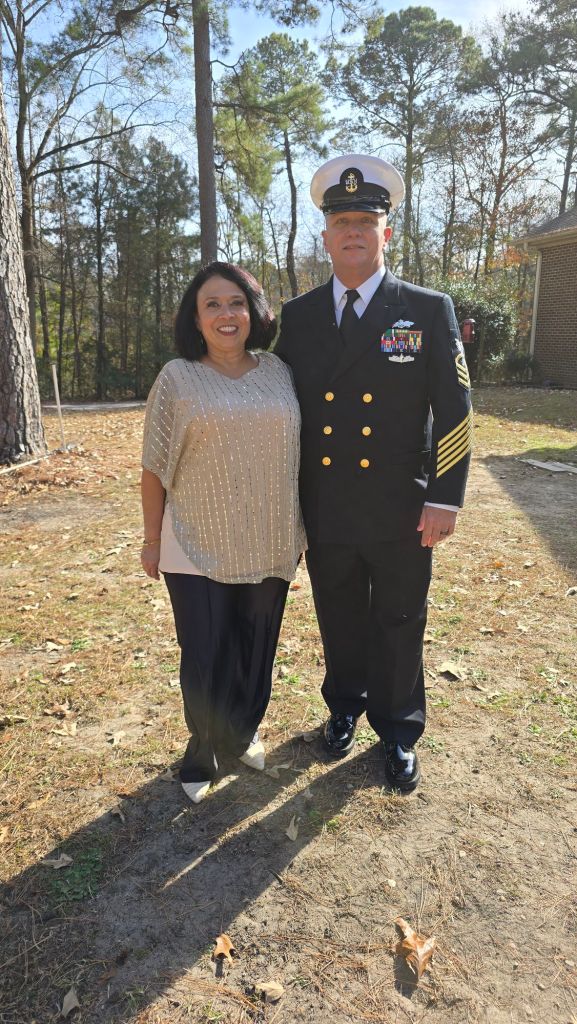
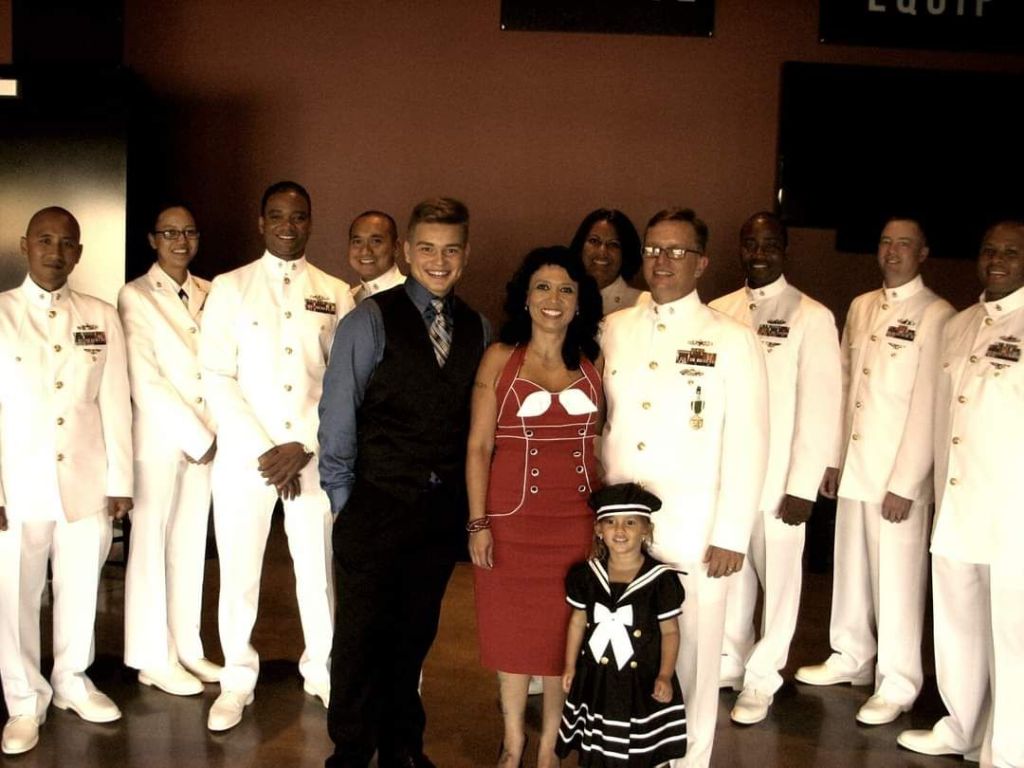
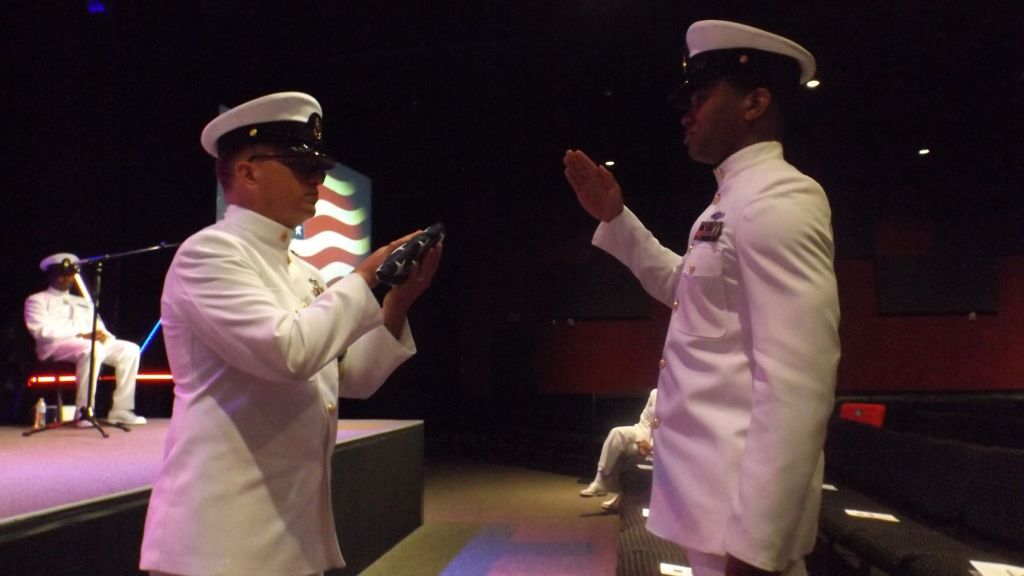
On August 1, 2012, I learned that I had been selected for Chief Petty Officer in the Navy.
The selection opportunity in my rating was extremely rare, only two and a half percent of those who had passed the test and made it in front of the selection board were chosen.
It was something I had worked hard to achieve, and an accomplishment Amy and I had both wanted.
But our marriage was still struggling, and we were separated.
The Chief induction process brought intense expectations and demands on my time.
I began setting aside responsibilities at church—including the Pastoral Support Team, For Men Only leadership, and Courageous Bible Study—as well as responsibilities to my family.
I initially raised concerns with the Chiefs on the day I learned of my selection because of my personal situation.
The following day, Amy sent me an email expressing her concerns about the priorities I was choosing.
On August 10, I underwent a mental health evaluation, withdrew from the induction process, and was placed on leave.
I had reached a breaking point. Looking back, God was stepping in once again to right the ship for me before I wrecked it. But it took me 10 days of wrestling with God to choose to do the right thing.
I still earned the rank of Chief Petty Officer, but withdrawing from induction affected how most members of the Chiefs’ community viewed me.
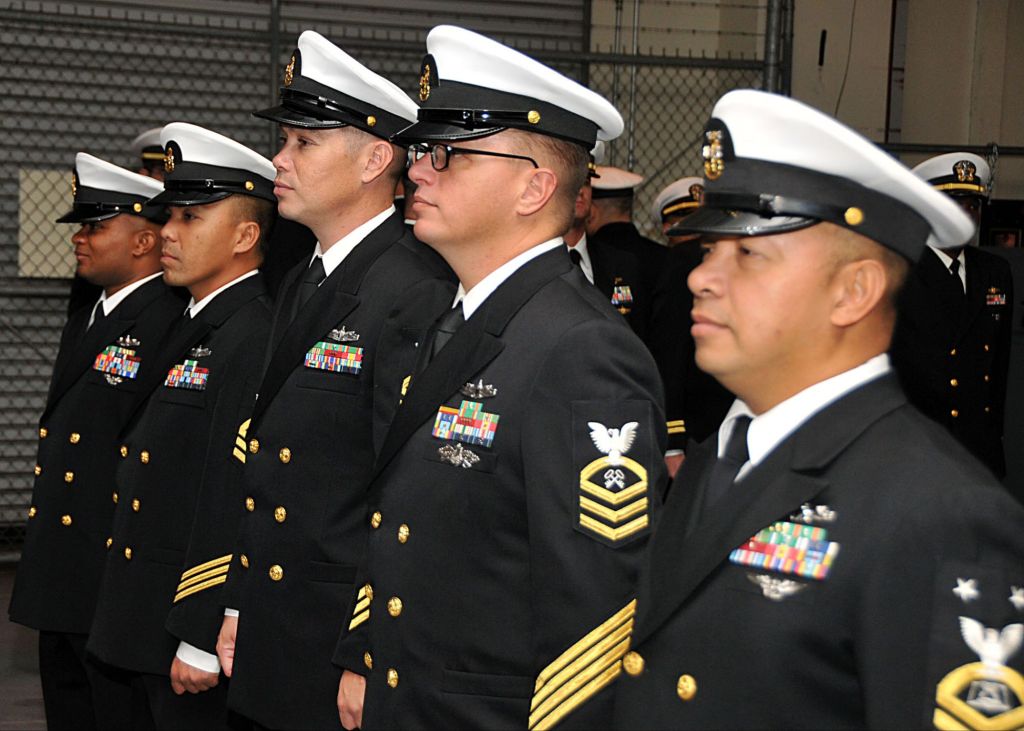
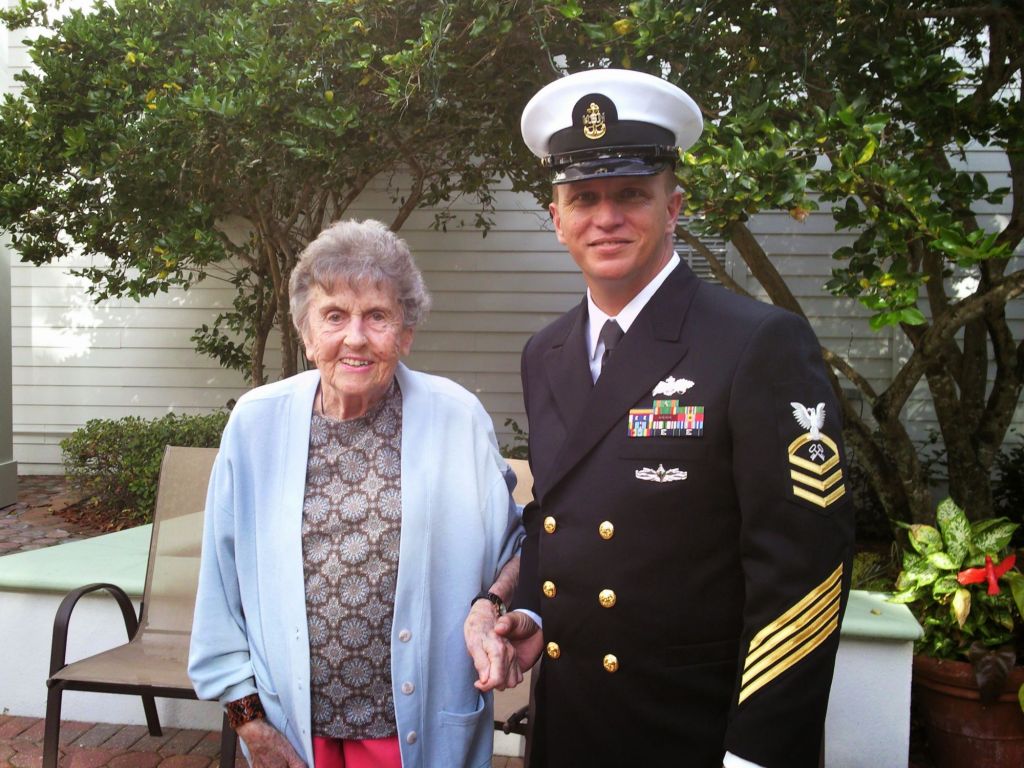
For someone who had spent so much of his life trying to belong and gain acceptance, that was extremely difficult. I was shunned, and receiving help from fellow Chiefs became difficult.
I continued serving in the Navy, but I was learning that professional achievement couldn’t heal the wounds I carried inside.
There is another date that holds special meaning for Amy and me.
Earlier, I mentioned June 10, 2009, the night I was unfaithful to her during deployment.
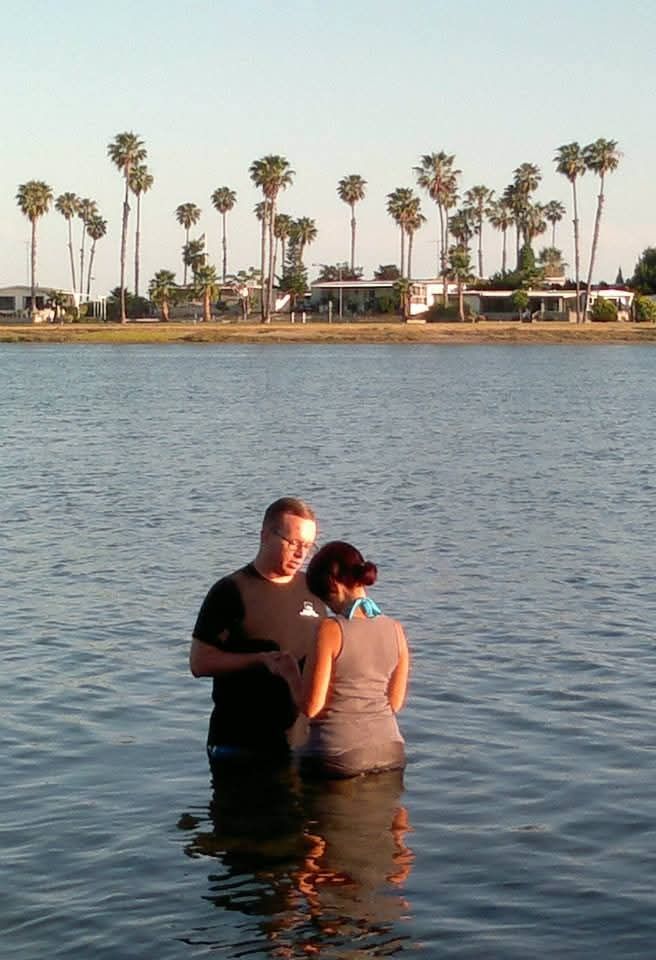
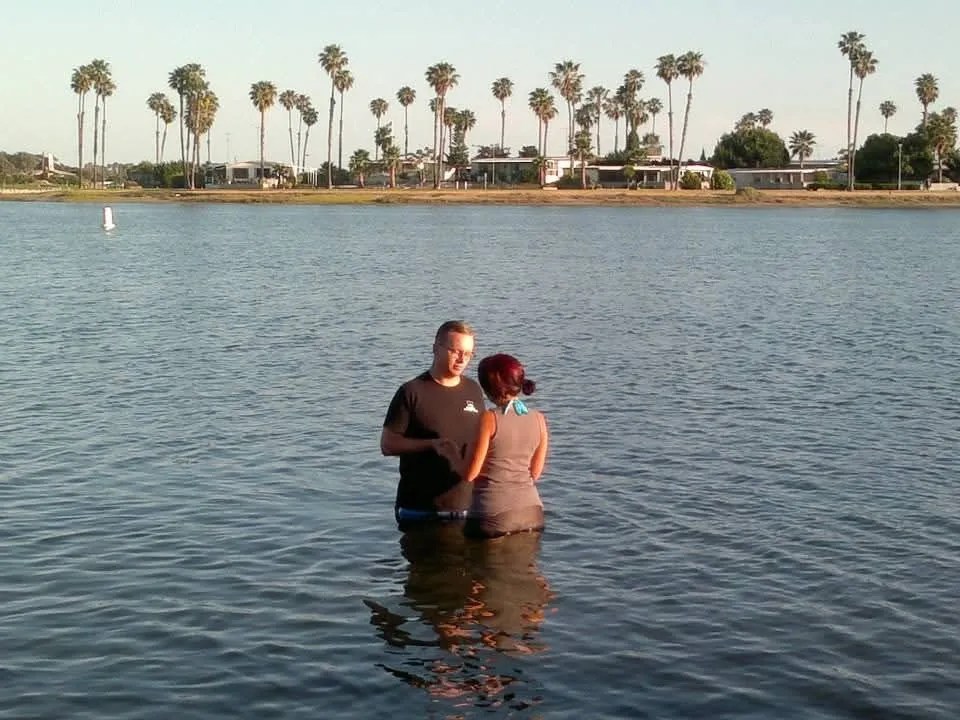
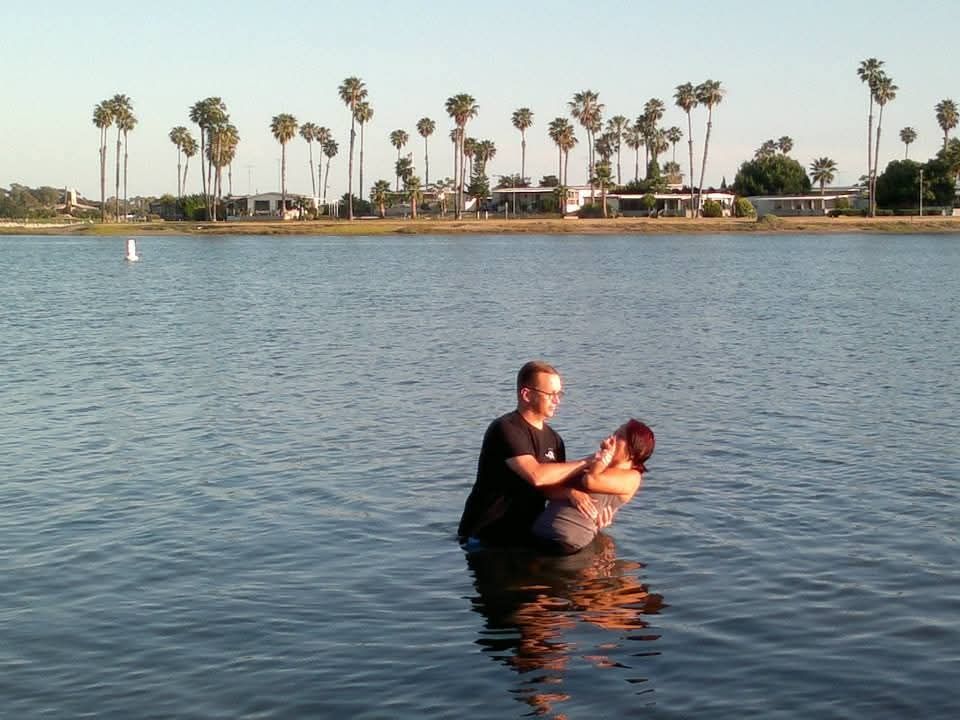
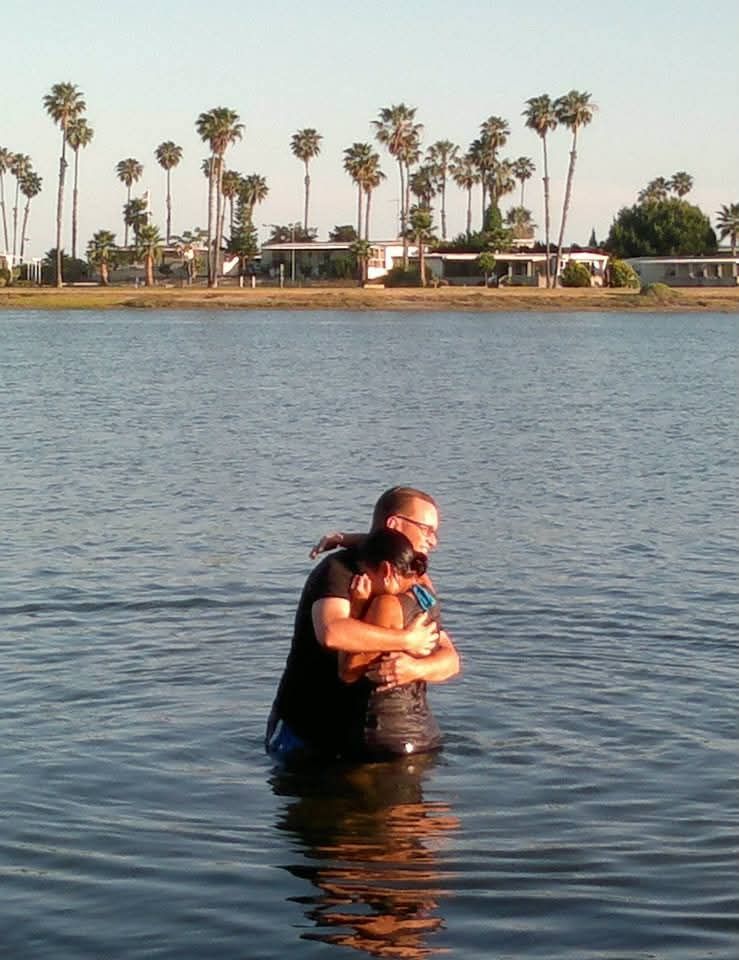
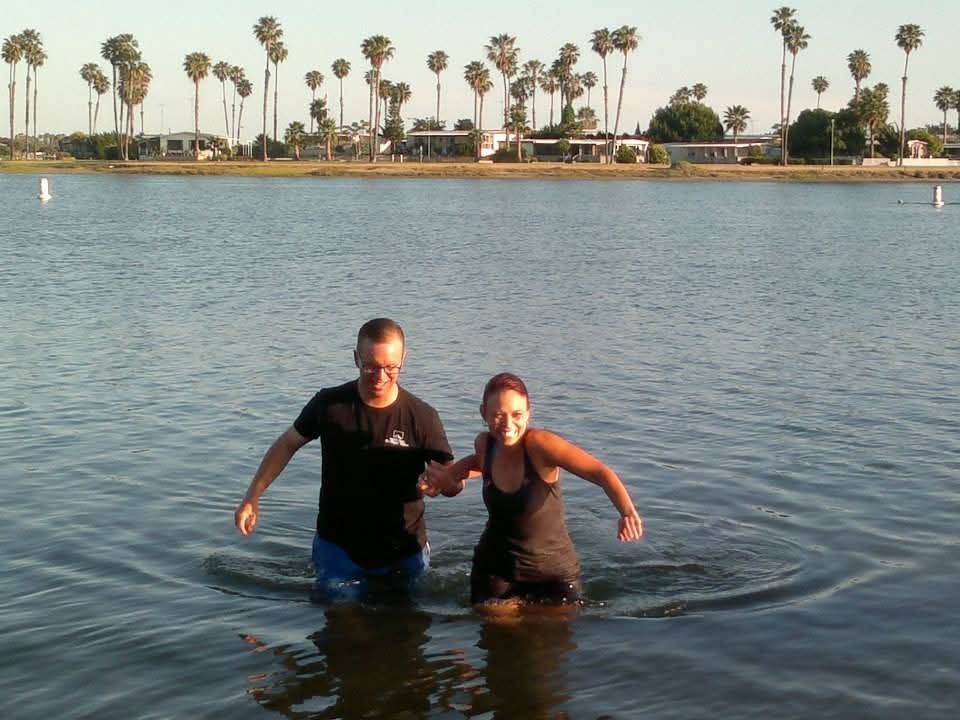
Exactly four years later, on June 10, 2013, I had the privilege of baptizing Amy.
What makes that moment even more meaningful to me is recognizing how God had been working in my own life. Despite my past failures, He had not given up on me. Through repentance, recovery, and learning to surrender to Him, God had been preparing and equipping me to be the one who baptized my wife.
That didn’t erase what I had done four years earlier, and it didn’t mean our marriage was suddenly healed. Amy’s baptism was her own public declaration of faith in Jesus Christ. But God had allowed me to participate in that moment, on the very anniversary of a day when I had caused her so much pain.
I couldn’t change what happened on June 10, 2009. But by God’s grace, June 10 would no longer be remembered only for my betrayal. It would also be a day when we witnessed His faithfulness in our lives.
An April 2014 Journal Entry
In April 2014, five months before retiring from the Navy, Amy packed me a lunch and sent me on my way to get alone with God. The instructions were clear: Don’t return until you hear from Him. I was gone at least 12 hours if I remember that day right!
I wrote something in my journal that I recently rediscovered.
I had been reflecting on Psalm 55, where David describes fear, trembling, and the desire to escape into the wilderness.
I identified five fears that had followed me through much of my life:
Fear of rejection. Fear of being vulnerable. Fear of getting too close. Fear of revealing my hurts. Fear of knowing myself.
I wrote that I had spent my life seeking acceptance while living in fear of rejection.
And I had kept myself so isolated that I didn’t even know myself.
That same morning, I read a letter from Amy for the second time.
For the first time, I began to feel the pain behind her words and it made me cry.
I had known intellectually that I had hurt her. But I was beginning to recognize how much I had avoided allowing myself to experience the weight of that pain.
In my journal I wrote that I had prayed for God to heal Amy, but I hadn’t truly asked Him to help me understand and empathize with what she was experiencing.
That realization was difficult.
Even after a few years of recovery, I was still hiding behind fear, dishonesty, and emotional isolation.
I couldn’t keep asking God to change my behavior while refusing to let Him confront my heart.
I needed to acknowledge Amy’s pain, stop protecting myself from the truth, and learn to let people see the real me.
After retiring from the Navy in 2014, Amy and I moved to North Carolina.
I began working for Habitat for Humanity, attending church, and pursuing my education. Eventually, I completed a bachelor’s degree in religion and began preparing for further ministry training.
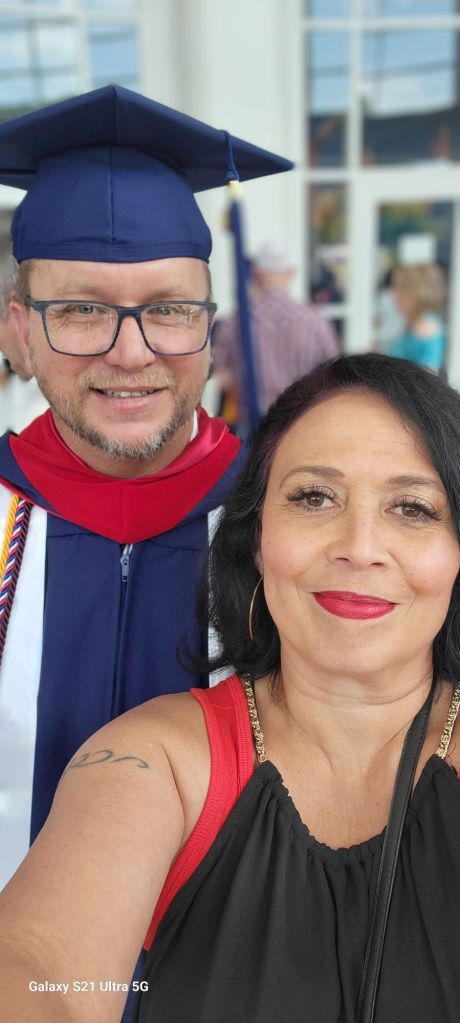
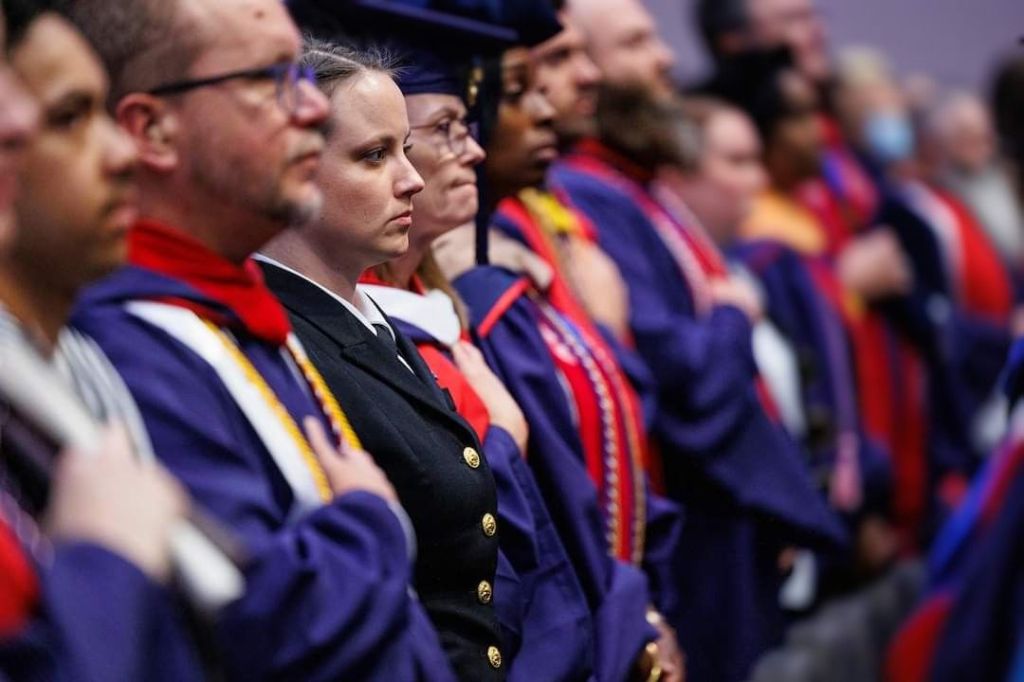
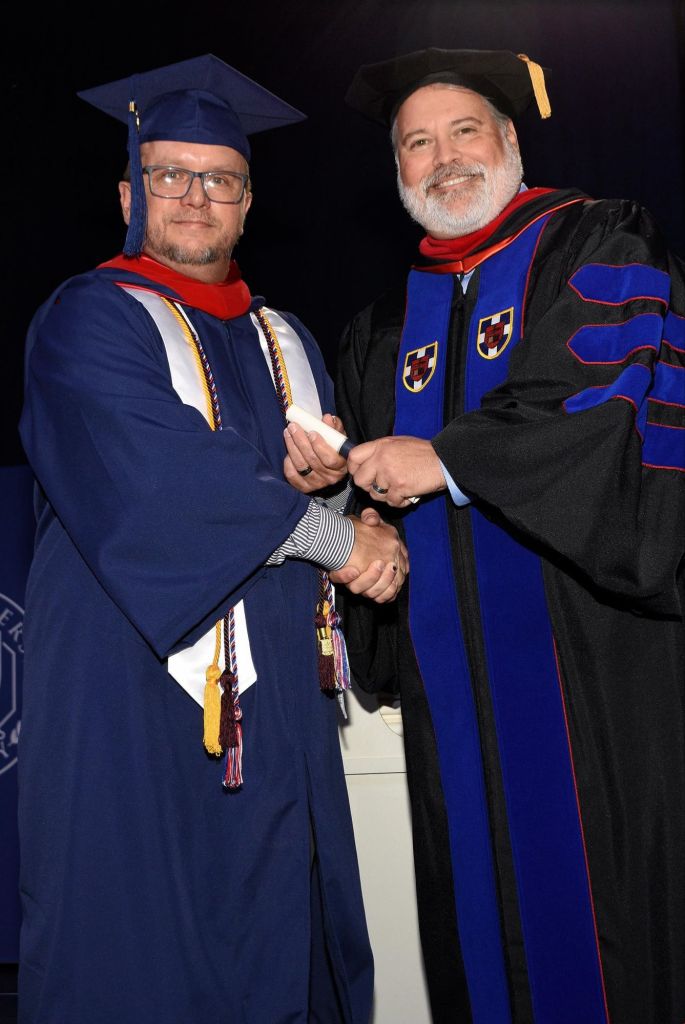
In 2019, I connected with a paternal aunt through Ancestry and began learning more about my biological family.
I discovered that my biological parents had been teenagers and that addiction had also affected their lives.
Learning more about where I came from helped me understand some of my history.
But information alone didn’t heal the old feeling that I wasn’t wanted.
Ephesians 2:10 in the New Living Translation became especially meaningful to me because it describes us as God’s masterpiece.
It was a verse I remembered from my early days of sobriety, and I began reading that truth aloud to myself again.
For much of my life, I had tried to establish my worth through relationships, sexual attention, professional achievement, and even ministry.
I needed to hear that I was God’s masterpiece—not because of anything I had accomplished, but because of who I was in Christ.
My worth wasn’t determined by whether my biological parents raised me, whether I made Chief, or whether I held a position in church.
My identity was in Christ.
In 2023, I began attending a Saturday men’s Bible study here at Temple City.
I remember expressing that I had plenty of head knowledge about God, but I lacked heart knowledge.
At the time, I thought that was the missing piece.
Amy and I began attending Temple City Church full time in 2024.
In early 2025, I met with Pastor Rodney to discuss my enrollment in the Masters of Divinity program at Liberty University, and the requirement of an internship during one of the semesters. He was supportive but encouraged me to join a Recovery Alive process group first.
I’ll admit that I internally questioned the need.
I had been sober for approximately sixteen years. I had participated in recovery studies, served in ministry, and helped other men.
Why would I need another recovery group?
But I accepted his wisdom, and followed his advice.
I joined the next process group in March, and around the same time, I also worked through a 12-week course of cognitive behavioral therapy through the VA to address PTSD. This was something I had pridefully avoided since returning from the desert in 2003.
The counseling and Recovery Alive process group were different experiences, but both helped me begin to confront things I had carried for years.
As I worked through both, I began recognizing how I had compartmentalized painful experiences from childhood and other parts of my life.
I had learned how to keep functioning without necessarily allowing those wounds to be addressed.
I began understanding what I’d missed in that first men’s Bible study in 2023.
I didn’t simply need more biblical knowledge.
I needed authentic community with other men—
men who knew my struggles, could confront me in love, and would walk alongside me
without requiring me to pretend I had everything figured out.
Recovery Alive has helped me see that sobriety and recovery aren’t necessarily the same thing.
After approximately sixteen years of sobriety, Recovery Alive showed me there were still areas of my life that needed attention.
I wasn’t there because I’d started drinking again or returned to those destructive behaviors.
I was there because God wasn’t finished working on me.
I still needed to confront pride, fear, unresolved hurts, and the ways I kept people at a distance.
I’d spent years learning how to lead, teach, and serve.
I was still learning how to let other men get to know the real me.
As I continued through Recovery Alive, I co-led a process group that graduated in June 2026.
It reinforced what I had learned through Seven Pillars and men like Rick, Tony, Mickey, and Victor.
We aren’t meant to recover alone.
A sponsor or trusted recovery mentor can see things we have learned to hide from ourselves.
Accountability means more than reporting whether we’ve behaved.
It means letting someone challenge our thinking, motives, excuses, and rationalizations.
And recovery isn’t only about the person whose behavior caused the harm.
Amy had her own pain to work through. I couldn’t do that work for her, and I couldn’t make her healing follow my timetable. I just had to stop doing the “guy thing” and trying to fix everything. I had to get out of the way and let God be God.
Today, Amy and I are participating in a recovery marriage group together. Not because we’ve arrived or have everything figured out, but because we recognize that our marriage is worth continuing to invest in. We want to keep healing, growing closer to God and each other, and strengthening the marriage He has entrusted to us.
I remain grateful that she has continued walking through life with me. But I don’t want to describe our marriage as though the damage simply disappeared once I became sober or entered recovery.
Trust had to be rebuilt. Some consequences lasted much longer than I wanted them to. To this day, there are things that I choose not to do because I don’t want to test whether they are still stumbling blocks for me. That’s simply a risk I’m not willing to take.
I also had to learn that confession, repentance, and restoration aren’t interchangeable.
Confession means telling the truth.
Repentance means turning away from sin and allowing God to change the direction of our lives.
Restoration involves rebuilding what has been damaged, and it may require time, accountability, and consequences we don’t get to control.
Today, I continue to serve, learn, and prepare for wherever God may call me.
But ministry, education, and years of sobriety don’t make me immune to pride or selfishness.
I still need men who will ask difficult questions and tell me the truth.
I still need to examine my motives and ask God to create in me a pure heart and renew a steadfast spirit.
Daily.
So if you’re here tonight and you’re struggling with addiction, I want you to know that recovery is possible.
If you’ve hurt someone you love, I want you to understand that taking responsibility is necessary, even when the consequences are painful.
If you’re afraid of what honesty might cost you, don’t use that fear as an excuse to continue hiding. Get in a Process Group, find a sponsor, seek appropriate guidance, and begin doing the difficult work of telling the truth responsibly.
And if you’ve been sober for years and think you’ve moved beyond needing recovery, I’d encourage you to consider whether there are still wounds, fears, or patterns you’ve learned to live around rather than address.
That was part of my story.
For a long time, I believed that if I could just accomplish enough, become successful enough, or earn the acceptance of the right people, I would finally feel like I belonged.
But I don’t have to earn my identity anymore.
I’m not defined by the failures of my past.
I’m not defined by my Navy rank.
I’m not defined by a ministry title.
And I’m not defined by the number of years I’ve been sober.
I’m a grateful believer in Jesus Christ.
Ephesians 2:10 reminds me that I’m God’s masterpiece, created anew in Christ Jesus for the good things He planned for me.
And John 3:30 continues to remind me what my life needs to be about:
More of Him. Less of me.
And I’m still recovering.


You must be logged in to post a comment.